Revised proposal · July 2026
SMART Driver Training Programme
Digital Learning Proposal for the City of Cape Town
A proven municipal driver-development programme, expanded into a dedicated digital learning ecosystem.
Proposal purpose
Preserve what works. Extend where it matters.
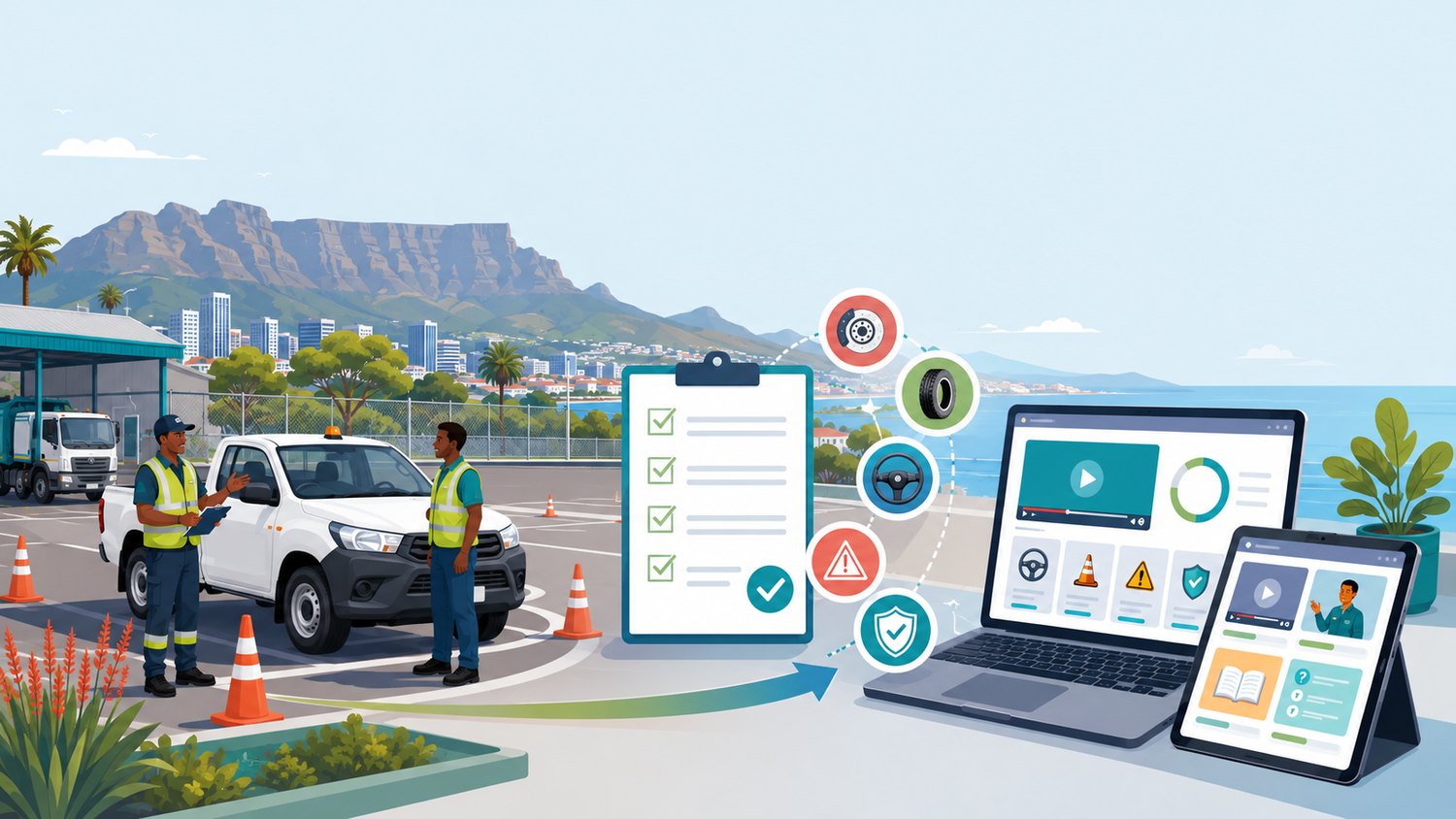
THABO Training and Services CC proposes the continuation and digital expansion of the City of Cape Town’s SMART Driver Training Programme through a dedicated learning environment containing four core training products.
The proposal consolidates the programme history, the technical foundation of SMART and Risk Assessment Driving, the successful move to digital learning, the proposed training suite, and a structured six-month administrator training and handover period.
Programme evolution
From practical intervention to scalable digital ecosystem
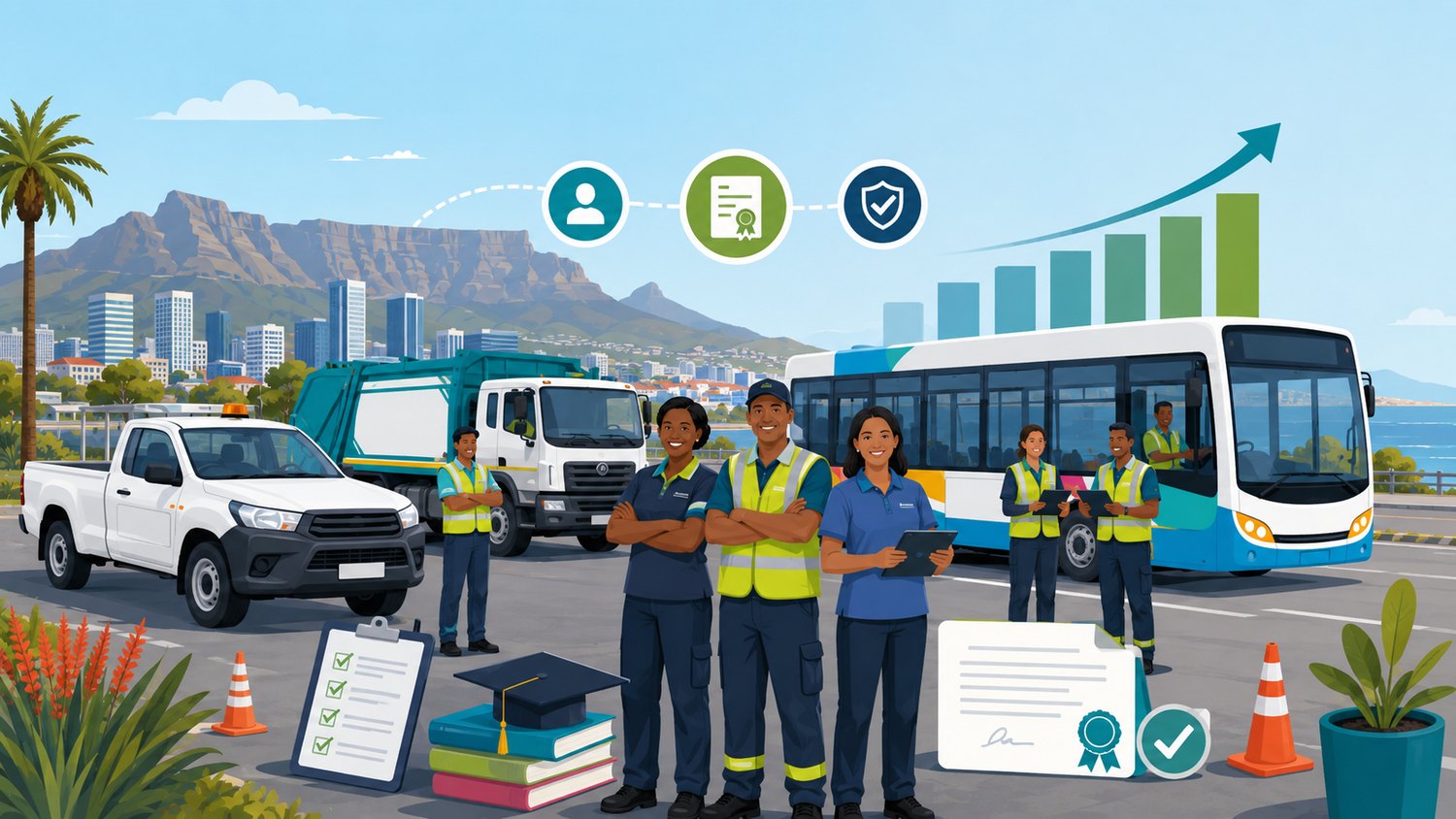
SMART has grown through field experience, specialist risk methodology and the successful transfer of complex content into structured online learning.
Municipal origins
Conceived through the City’s Biodiversity Department to improve safe, responsible and environmentally aware driving.
Three consecutive contracts
TTS embedded SMART principles with the proprietary RAD methodology across practical and theoretical delivery.
Digital delivery proven
MRT launched for 58 managers and SMART MyCiTi Driver Training for 194 bus drivers.
Technical foundation
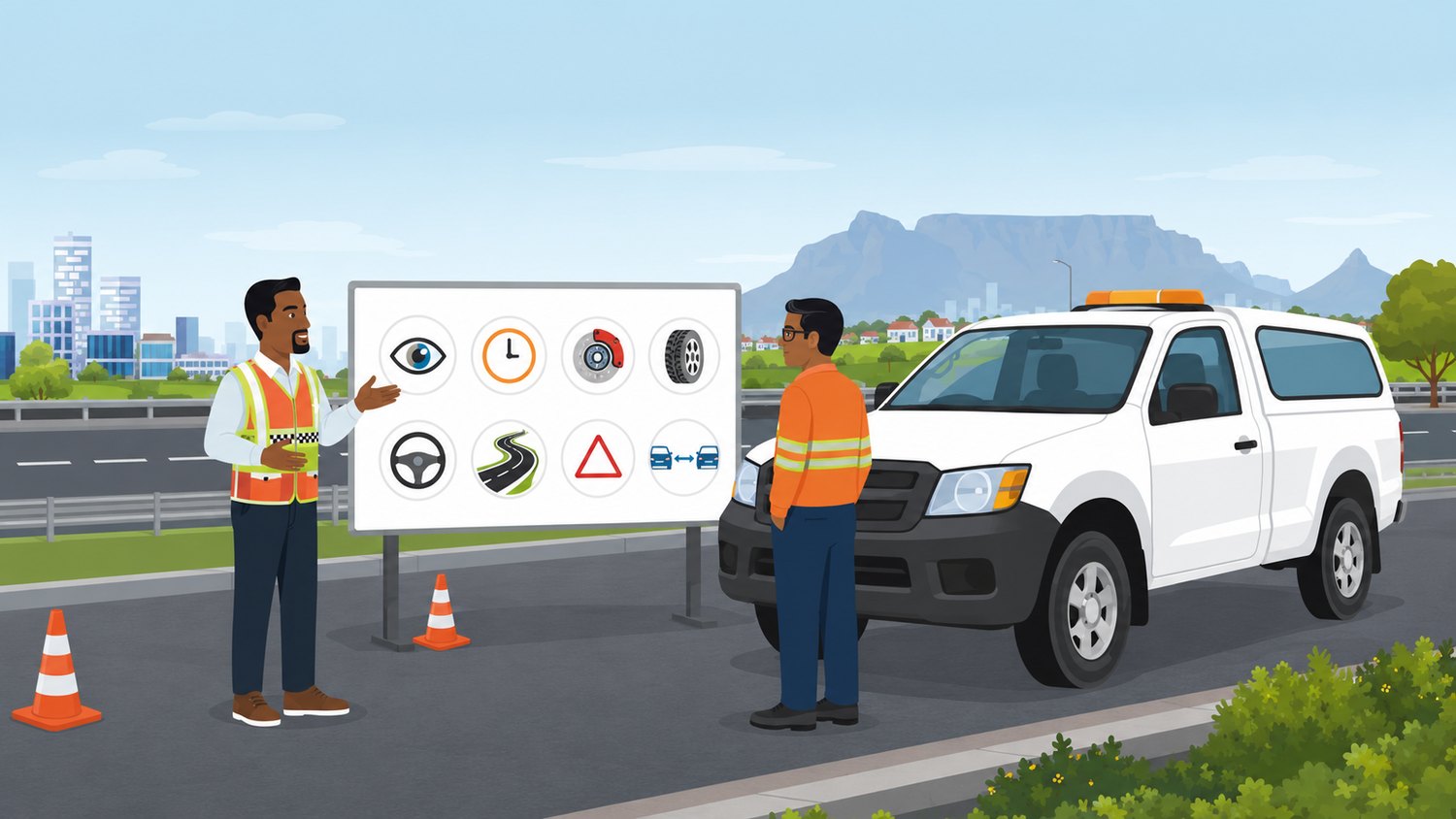
Risk Assessment Driving links observation, time, vehicle condition and proactive decisions.
RAD is not a generic defensive-driving course. It teaches drivers to recognise how incidents develop, identify risk earlier, understand vehicle limitations and create more time for safe decisions.
- Pre-trip inspections covering brakes, steering, tyres, suspension and lights.
- Perception, reaction and actuation time, stopping distance and time-space management.
- Observation, scanning, hazard identification and proactive decision-making.
- ABS and non-ABS braking, vehicle dynamics, weight transfer and skidding risk.
- Safe following distance, blind spots, intersections and high-risk environments.
- Economical driving, momentum, gear selection, fuel use and mechanical wear.
- Driver condition, fatigue, stress, distraction and decision quality.
- Emergency response, legal accountability and defensible driving behaviour.
Successful digital transition
Digital does not mean passive.
Structured lessons, professional video, practical demonstrations, assessments, mandatory activities, reporting and certification preserve applied learning at scale. English delivery with Xhosa clarification improves accessibility without changing the technical standard.
Explore the LMS demo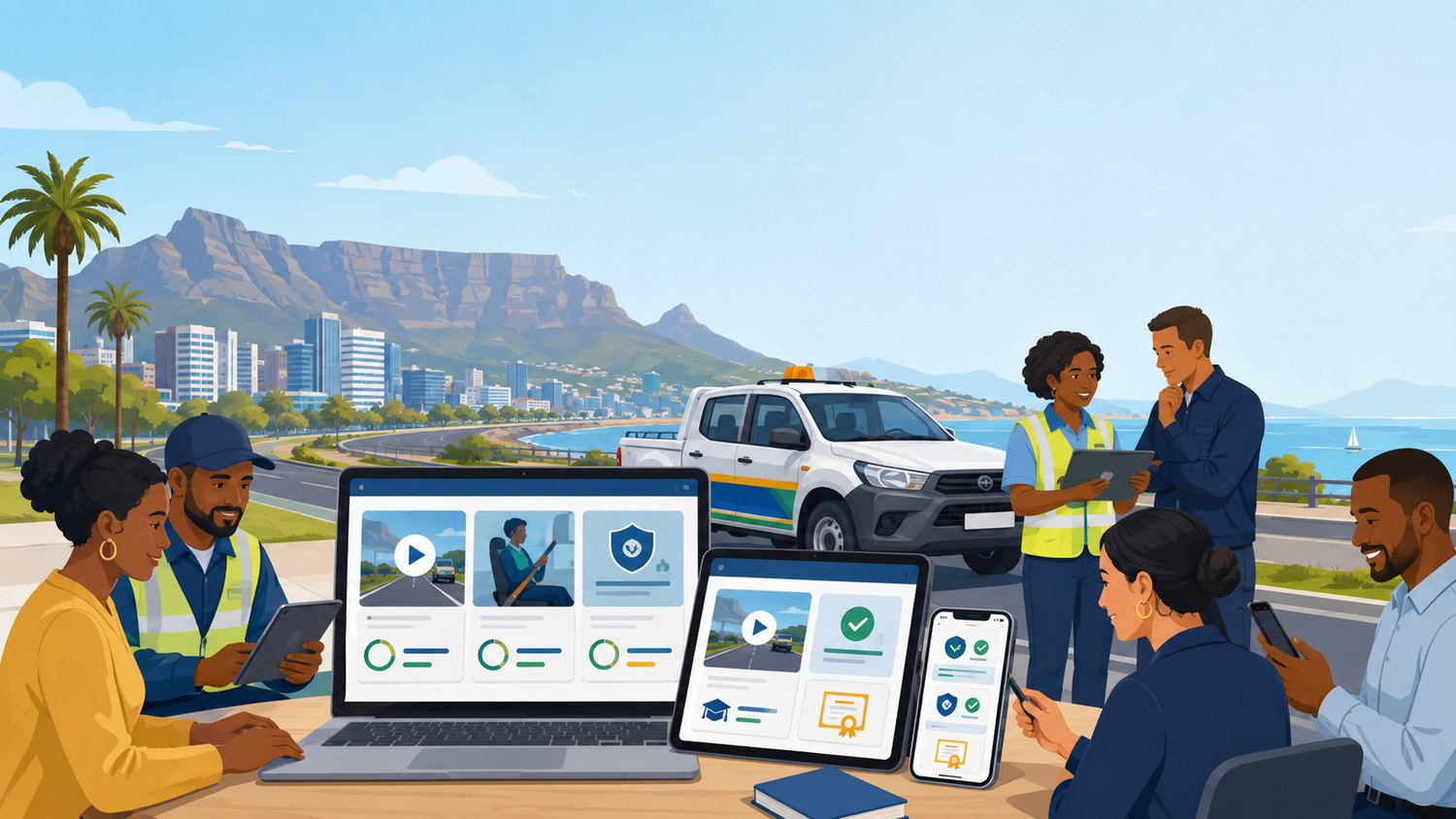
Connected learning ecosystem
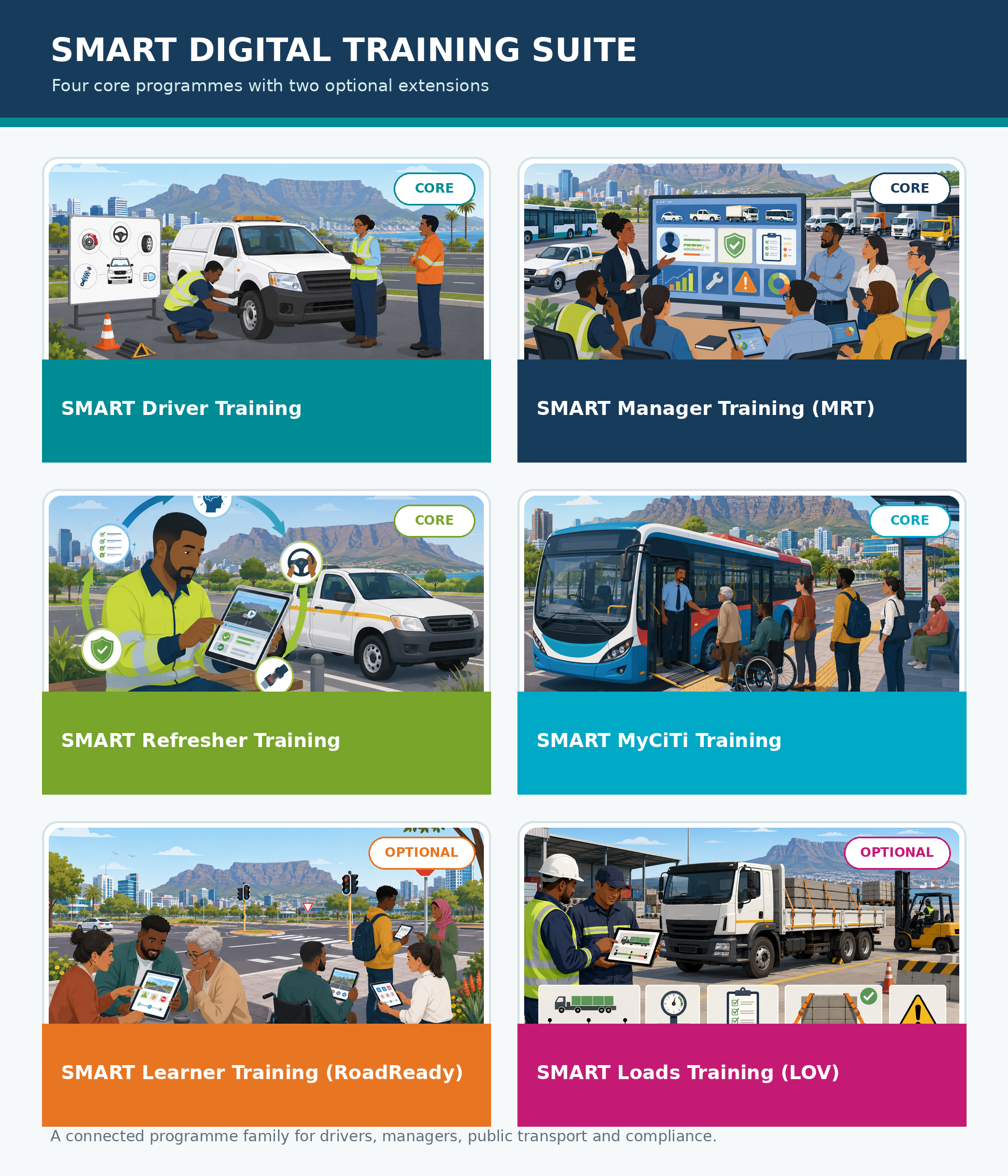
Four core programmes, with two optional expansions
The suite connects driver competence, management accountability, refresher requirements, public-transport service and legal knowledge in one coordinated system.
04
Core programmes included in the proposed solution
02
Optional programmes recommended for a complete ecosystem
 Core
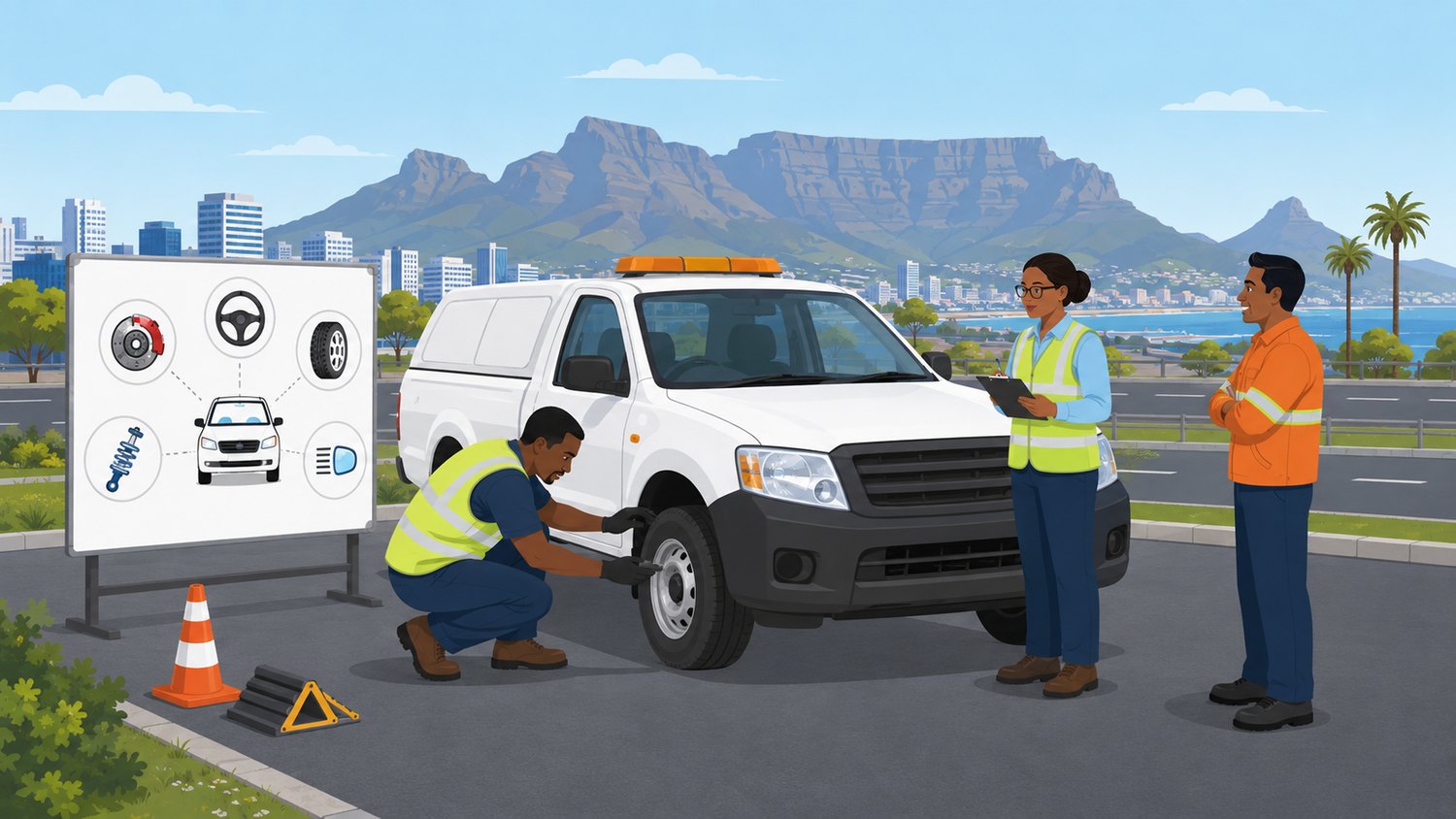
CoreSMART Driver Training
The principal driver-development programme combines vehicle inspection, RAD principles, vehicle dynamics, driver condition, emergency response, legal accountability and economical driving.
- Primary audience
- City personnel operating light, passenger, utility or heavy vehicles.
- Key outcomes
- Earlier risk recognition, stronger inspection discipline, improved decisions, reduced mechanical abuse and safer, more economical operation.
 Core
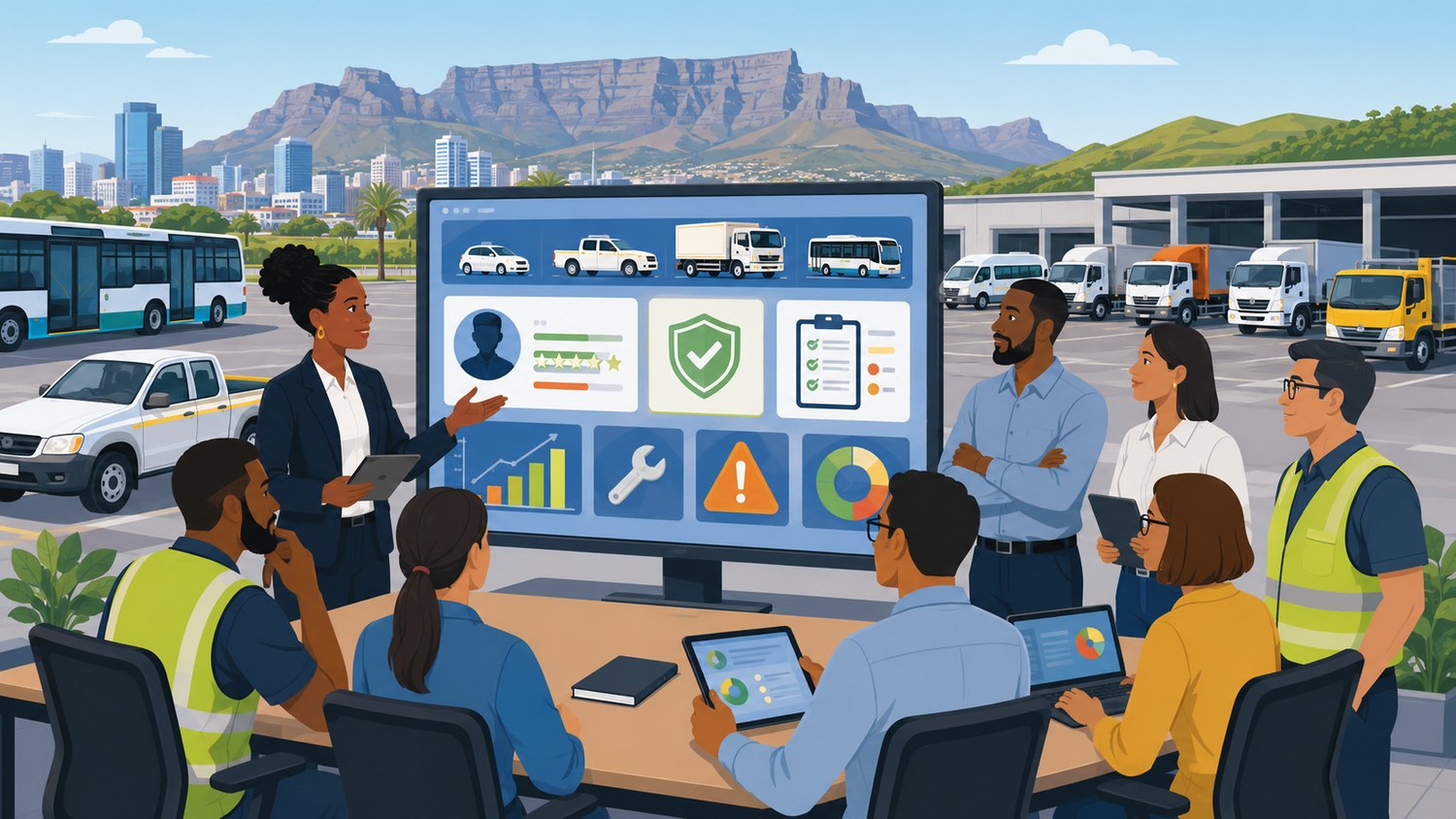
CoreManaging Risk in Transport
MRT equips managers, supervisors and foremen to manage transport risk as an organisational system rather than treating incidents as driver-only problems.
- Primary audience
- Managers responsible for employees, contractors, vehicles, loads or transport operations.
- Key outcomes
- Clearer accountability, evidence-ready controls, stronger delegation, improved oversight and practical workplace risk projects.
 Core
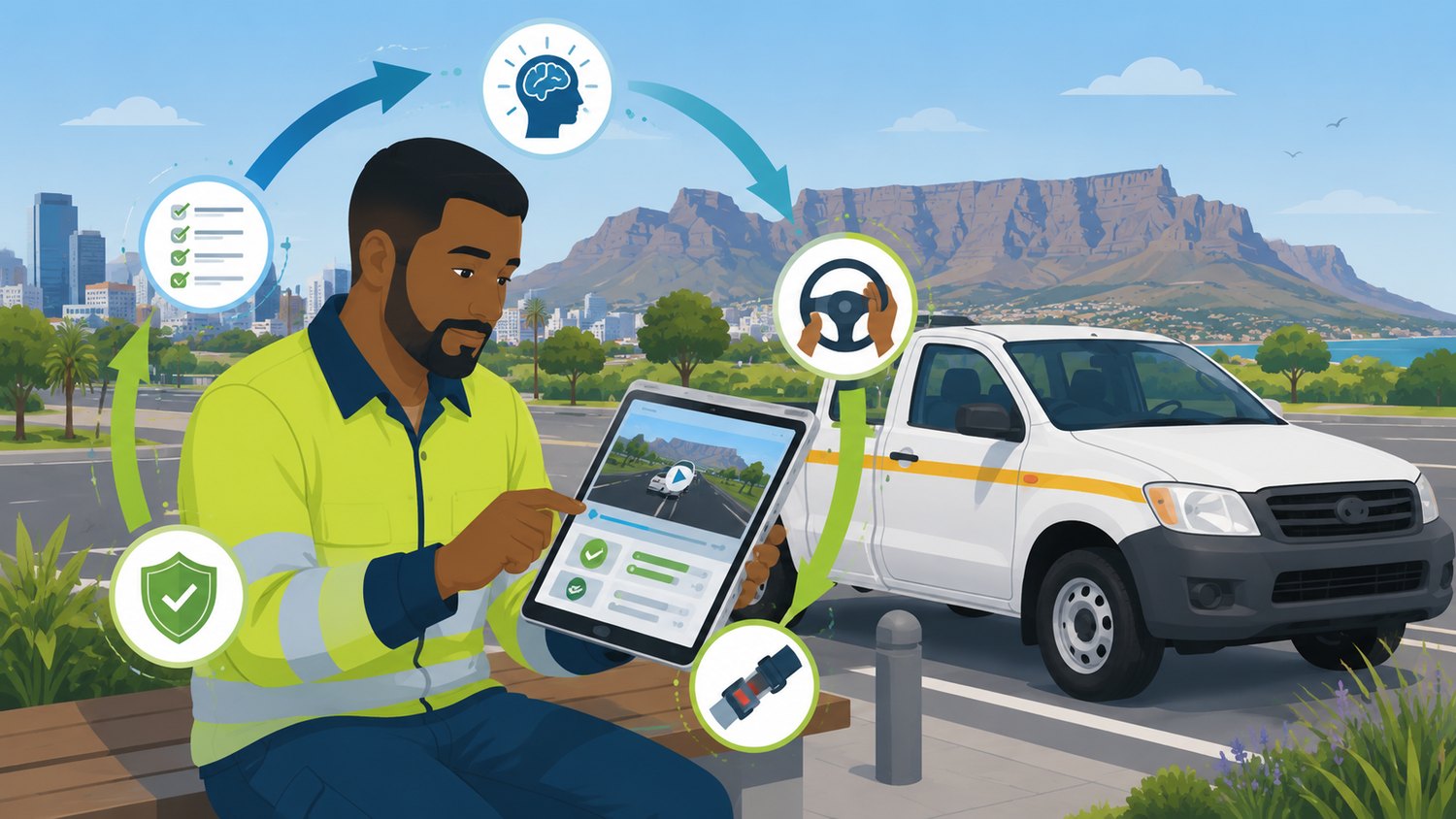
CoreSMART Refresher Training
A structured intervention that re-engages previously trained drivers with real-world risk scenarios and the behaviours required for safe, disciplined driving.
- Primary audience
- Drivers who have completed SMART/RAD training and require reinforcement.
- Key outcomes
- Sustained hazard awareness, renewed inspection practice, reduced behavioural drift and continued alignment with City standards.
 Core
CoreMyCiTi Driver Training
A public-transport programme integrating SMART driving, environmental awareness, customer care and universal accessibility.
- Primary audience
- MyCiTi bus drivers and other designated public-transport personnel.
- Key outcomes
- Safer passenger transport, smoother operation, improved accessibility, consistent customer interactions and stronger public confidence.
 Optional
RoadReady
A road-rules and learner-licence programme using visual explanations to develop the legal knowledge that supports safer practical decisions.
- Primary audience
- Learner drivers, licensed drivers requiring a refresh and employees preparing for licence processes.
- Key outcomes
- Stronger road-rule knowledge, more confident test preparation, improved legal awareness and readiness for advanced SMART/RAD training.
 Optional
Loads on Vehicles
A specialist programme addressing safe and lawful loading, distribution, stability, vehicle condition and accountability across the loading chain.
- Primary audience
- Drivers, operators, supervisors, consignors, consignees and loading personnel.
- Key outcomes
- Improved load control, reduced overloading and instability risk, clearer responsibilities, stronger compliance and better vehicle protection.
Strategic value
More than a repository of online courses
The proposal creates a coordinated training system with repeatable standards, auditable records and practical value across departments.
Safety and competence
Earlier hazard recognition, improved vehicle inspection and better decisions.
Operational continuity
Self-paced access reduces venue dependence and lets learners revisit difficult material.
Consistent standards
Approved concepts, assessments and completion requirements can be applied across departments.
Management accountability
MRT strengthens governance, documentation, supervision and consequence management.
Cost and asset protection
Economical driving supports lower fuel use, reduced wear, fewer defects and less downtime.
Inclusive learning
Video, audio, structured lessons and language clarification support diverse learners.
Evidence and reporting
Progress and completion records support audit, oversight and remedial action.
Sustainable capability
A defined six-month handover builds routine independent administration.
Delivery and handover
Completion first. Then six months of supported capability transfer.
The handover clock begins on the Operational Readiness Date—after the agreed environment and initial content are delivered, configured, tested and accepted.
- 01
Confirm scope
Approve programmes, content, branding, roles, data, reporting and acceptance criteria.
- 02
Build and configure
Implement the environment, courses, assessments, certificates and reporting structure.
- 03
Test and accept delivery
Complete quality assurance, pilot access, corrections and formal acceptance.
- 04
Six-month supported operation
Train nominated administrators while TTS supports live operation.
- 05
Operational handover
Transfer agreed controls, documentation and routine responsibilities after review.
- 06
Optional continued support
Provide further content development or specialist administration if contracted.
The objective is practical operational competence.
The handover transfers routine administrator control, documentation and operating responsibilities. It does not transfer TTS course IP, instructional-design methods or unlimited future course-conversion services.
Commercial position
Two clear investment options
Both options include the dedicated digital learning environment, implementation, agreed internal-use rights and the six-month administrator training and handover period.
Four-programme core solution
R5,000,000
excluding VAT- SMART Driver Training
- Managing Risk in Transport
- SMART Refresher Training
- MyCiTi Driver Training
Six-programme solution
R6,490,748
excluding VAT- All four core programmes
- RoadReady
- Loads on Vehicles
Scope boundary: Additional course conversion, major customisation, new multimedia production, custom integrations and post-handover services are separately priced unless expressly included.
Payment term: Full settlement of the agreed contract value is required before implementation commences.
Recommendation
Continue and digitally expand the SMART Driver Training ecosystem.
Approve the four core products and associated six-month administrator training and handover period. RoadReady and Loads on Vehicles are recommended optional additions because AARTO readiness increases the importance of strong road-rule knowledge, auditable controls and lawful vehicle loading.
Safer roads. Stronger systems. Sustainable capability.
Detailed proposal schedules
Appendices A–F
Open each appendix for the detailed programme, platform, handover, rights and commercial provisions contained in the revised proposal.
ACore programme specificationsSMART, MRT, Refresher and MyCiTi
A1. SMART Driver Training
- Vehicle roadworthiness and pre-trip inspections.
- Risk assessment driving and proactive decisions within perception, reaction and actuation times.
- Speed, space, stopping distance and time management.
- Economical driving for light, passenger and heavy vehicles.
- Driver condition, fatigue, stress and distraction.
- Vehicle dynamics, skidding, stability and driving physics.
- Emergency situations and roadside safety.
- Electric vehicle operation where relevant.
- Driving and the law.
Indicative learning design
- Structured self-paced lessons.
- Professional instructional video and practical demonstrations.
- Knowledge checks and formal assessments.
- Mandatory learner activities where applicable.
- Progress monitoring, completion reporting and digital certification.
A2. Managing Risk in Transport
- Governance, accountability and responsibility in transport operations.
- Operator duties, organisational control and evidence-ready systems.
- Loading-chain responsibilities and occupational health and safety integration.
- Compliance management, infringement-risk systems and AARTO readiness.
- Workplace-based risk assessment and implementation projects.
Recommended learning period: approximately 14 days, subject to operational requirements and workplace projects.
A3. SMART Refresher Training
- Hazard identification and anticipation.
- Incident-development chains and earlier intervention points.
- Vehicle inspection and compliance awareness.
- Economical driving and vehicle-control principles.
- Reverse protocols, blind spots and low-speed manoeuvring risk.
- Fatigue, mindset and disciplined decisions.
Recommended completion period: approximately seven days, or after an operational risk trigger.
A4. MyCiTi Driver Training
- Customer care and professional public-facing conduct.
- Universal accessibility and respectful passenger assistance.
- SMART/RAD principles for bus operations.
- Environmental awareness and economical operation.
- Smooth moving off, stopping, lane position and passenger comfort.
- Operational communication and escalation requirements.
BOptional programme specificationsRoadReady and Loads on Vehicles
B1. RoadReady
A digital learning product—not a separate platform—that develops road-rule knowledge and learner-licence readiness.
- Road signs, markings and traffic signals.
- Rules of the road and right-of-way logic through animated video.
- Intersections, overtaking, lane discipline and merging.
- Speed, following distance, stopping and yielding.
- Legal awareness, enforcement expectations and accountability.
- Visual explanations and a structured question bank.
B2. Loads on Vehicles
- Legal and ethical loading responsibilities.
- Load Capacity Profiles, permissible masses and goods-declaration requirements.
- Axle loads, distribution, mass, stability and centre of gravity.
- Cargo security and vehicle condition.
- Driver, operator, consignor and consignee responsibilities.
- Reporting discrepancies and stopping unsafe loading.
- Standard procedures and evidence of compliance.
Final content should be tailored to City vehicle classes and supported by legal review before publication.
CDigital learning environment capabilitiesEffective requirements without naming a technology vendor
Detailed technical requirements will be incorporated into final contract schedules.
- Access and scale
- Support multiple programmes, departments, cohorts and a large City learner population.
- Responsive access
- Work through common desktop, tablet and mobile web browsers.
- Course delivery
- Support lessons, video, audio, documents, assessments, activities and completion rules.
- User roles
- Differentiate permissions for owners, administrators, instructors, course owners and learners.
- Enrolment
- Support individual and bulk registration, cohort assignment and course allocation.
- Tracking and reporting
- Track participation, progress, assessment outcomes, completion and certification.
- Certificates
- Generate and manage certificates according to approved completion rules.
- Communication
- Support relevant notifications, reminders and administrative communication.
- Content management
- Allow authorised staff to create, upload, revise, archive and publish content.
- Data export
- Export learner, progress and completion data for reporting and continuity.
- Integrations
- Provide interfaces or APIs where technically and contractually feasible.
- Security and privacy
- Support access controls, authentication, backups and POPIA-aligned processing.
- Branding
- Present a dedicated City training environment with approved visual identity.
- Supportability
- Provide clear workflows, documentation and defined escalation paths.
DSix-month administrator training and handover planStarts after formal operational readiness
Orientation and controls
Roles, access, learner structures, data quality, procedures and escalation routes.
Learner administration
Registration, enrolment, cohorts, communications, corrections and first-line support.
Course operations
Allocation, completion rules, monitoring, certificates, scheduling and housekeeping.
Reporting and quality assurance
Reports, results, exceptions, exports, evidence packs and version control.
Co-managed operation
City administrators perform routine operations with TTS oversight and coaching.
Independent trial and handover
Limited-intervention operating trial, readiness review and acceptance sign-off.
Readiness evidence
- Create and manage administrator and learner accounts within approved permissions.
- Perform learner enrolment and course allocation.
- Monitor participation, assessment and completion.
- Generate standard reports, completion evidence and certificates.
- Upload and revise approved content within the administrator scope.
- Apply quality assurance and publishing checks.
- Resolve routine access queries and escalate technical incidents correctly.
- Run an agreed cohort with limited TTS intervention.
Advanced instructional design, multimedia development, legal review, complex reporting and major integrations remain specialist services unless separately included.
EIntellectual property, data and usage rightsProposed ownership and internal-use positions
- Underlying LMS software
- Remains the technology provider’s property; the City receives agreed access and administrative control.
- TTS background IP
- SMART/RAD, MRT, SMART Refresher, RoadReady, Loads on Vehicles, methods and source materials remain owned by TTS.
- City internal-use rights
- Perpetual internal-use rights to agreed final programme versions, subject to final licence restrictions.
- City content
- Policies, procedures, data and source content supplied by the City remain City property.
- City-specific commissioned content
- Rights are specified per deliverable; City-specific finished content is recommended for City ownership while reusable methods remain TTS IP.
- External-provider content
- May be used only with adequate copyright permission and approved source files.
- Learner and operational data
- Treated as City data, subject to POPIA and agreed processing terms.
- TTS reuse rights
- TTS may commercialise its generic programmes, methodologies and non-City-specific expertise.
- Third-party access
- Use beyond approved City personnel requires a separately agreed licence and scope.
FCommercial scope, assumptions and exclusionsIncluded scope, separate items and controls
Included in the core scope
- Configuration and implementation of the dedicated City learning environment.
- Digital implementation of the four core programmes.
- Agreed assessments, reports and certificate configuration.
- Initial quality assurance and delivery acceptance testing.
- Six-month administrator training and supported handover after acceptance.
- Perpetual internal-use rights to agreed final versions of the core programmes.
- Agreed operational documentation and administrator procedures.
Optional or separately priced
- RoadReady and Loads on Vehicles.
- City or external-provider course conversion or redesign.
- New video, animation, voice-over, translation or accessibility remediation beyond scope.
- Custom integrations, advanced dashboards and bespoke reporting.
- Legal review and third-party service costs.
- Administration, helpdesk or content management after handover.
- Community-facing or external-municipality access.
Scope controls
- Unlimited users refers to technical enrolment capacity, not unlimited TTS administration or support.
- High course capacity does not mean unlimited instructional design, conversion or multimedia production.
- Additional content requires agreed formats and evidence of ownership or permission.
- Material changes follow a documented change-request process with cost and timing approval.
- The City nominates skilled administrators and provides timely stakeholder access.
- Final dates depend on content approval, data readiness, availability and acceptance testing.
Payment termsFull settlement is required before implementation commences.